An Old Household Note
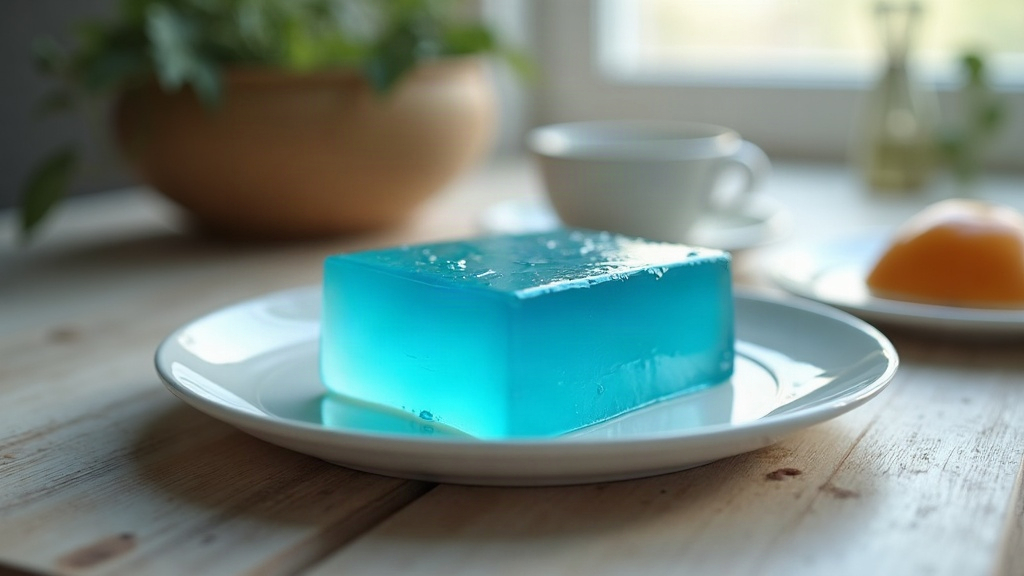
Long before modern routines, men kept a jar of baking soda - honey gelatin by the stove
This is an editorial look at why baking soda – honey gelatin was part of everyday habits decades ago — not a claim, just a routine worth understanding.
What Changes After 50
Most men notice small shifts long before they think to name them. Here’s what tends to show up first.
Energy That Dips By Afternoon
The stretch between lunch and dinner starts to feel longer than it used to.
Sleep That Feels Lighter
Waking up rested becomes less automatic, even after a full night.
A Waistline That Shifts
Habits stay the same, but the mirror tells a different story.
Mornings That Start Slower
It takes a bit longer to feel like yourself before the day begins.
A Simple Old-School Routine
This is how the habit was described in kitchens generations ago — no equipment, no ceremony.
Warm Water First
The day started with something warm, before coffee, before anything else.
A Small Kitchen Ritual
A modest mix, prepared by hand, from ingredients already in the pantry.
A Few Quiet Minutes
A short pause built into the morning, nothing more elaborate than that.
Kitchen Lore vs. Kitchen Facts
Old habits collect old stories. Some hold up. Some don’t.
Baking soda – honey gelatin was a cure invented in a lab.
It was a plain household combination, passed along by word of mouth, not by research papers.
Only certain regions ever prepared it.
Versions of this kitchen habit appeared across many households, with small local variations.
If it’s old, it must be outdated and irrelevant.
Old doesn’t mean disproven — it simply means it was never marketed the way modern products are.
Where This Habit Comes From
Long before wellness aisles existed, households relied on what was already in the cupboard. Baking soda – honey gelatin was one of those combinations — simple, inexpensive, and passed from one generation to the next as a small daily ritual rather than a remedy sold with promises.
The habit survived not because it was proven in a lab, but because it was easy, cheap, and part of a routine people trusted.
Signs Worth Paying Attention To
Ongoing Fatigue
Tiredness that doesn't ease with rest is worth mentioning to a healthcare professional.
Unexplained Weight Change
Any noticeable shift in weight without a clear cause deserves a conversation with a doctor.
Persistent Digestive Discomfort
Ongoing discomfort after meals is something to bring up rather than dismiss.
Trouble Sleeping Through The Night
Frequent waking or restless nights over time can be worth discussing with a professional.
Joint Stiffness That Lingers
Stiffness that doesn't ease during the day is a reasonable thing to ask a doctor about.
Mood Shifts You Can't Place
Unexplained changes in mood or motivation are worth mentioning at a check-up.
Notes From Readers

Illustrative composite examples. Individual results vary. Not a guarantee.
Common Questions
It’s a simple household combination of common kitchen ingredients, historically prepared at home rather than sold as a product.
No. It’s an old household habit, discussed here from an educational and historical perspective.
The habit was traditionally associated with daily routines many men picked up as they got older, often passed down within families.
No. Nothing here is medical advice. Always speak with a healthcare professional about any health concern.
This page is an editorial and historical look at a household tradition, not a presentation of clinical research.
It appears to have been common across various households, passed along informally rather than documented by any single source.
Any change to your routine, especially involving ingredients you consume, is worth discussing with a healthcare professional first.
Curious About The Full Story?
Continue reading to see how this old household habit was passed down, and why it’s still talked about today.
Advertising Disclosure: This page contains sponsored content and affiliate links. We may receive compensation if you click a link or make a purchase through the links provided on this site. This does not affect the price you pay.
Content Disclaimer: This content is for educational and informational purposes only. It has not been evaluated by the FDA. Nothing on this page is intended to diagnose, treat, cure, or prevent any disease. Always consult a qualified healthcare professional before making changes to your health routine.
Results Disclaimer: Individual results vary. Testimonials and examples shared on this page are illustrative and are not a guarantee of any outcome.
© 2026 · All Rights Reserved · /contact/